Table of Contents:
Table of Contents:
 08-30-2023
Epoxy coatings are two-part systems that chemically cure for industrial-grade durability, while epoxy paint is regular paint with added epoxy for better adhesion. Coatings last far longer and perform better.
In the realm of protective finishes, epoxy products are prized for their remarkable durability, resistance properties, and versatility. The two common options, epoxy coatings and epoxy paints, have significant differences between the two, including durability, curing mechanisms, resistance benefits, and their respective applications.
Let’s take a look at the two…
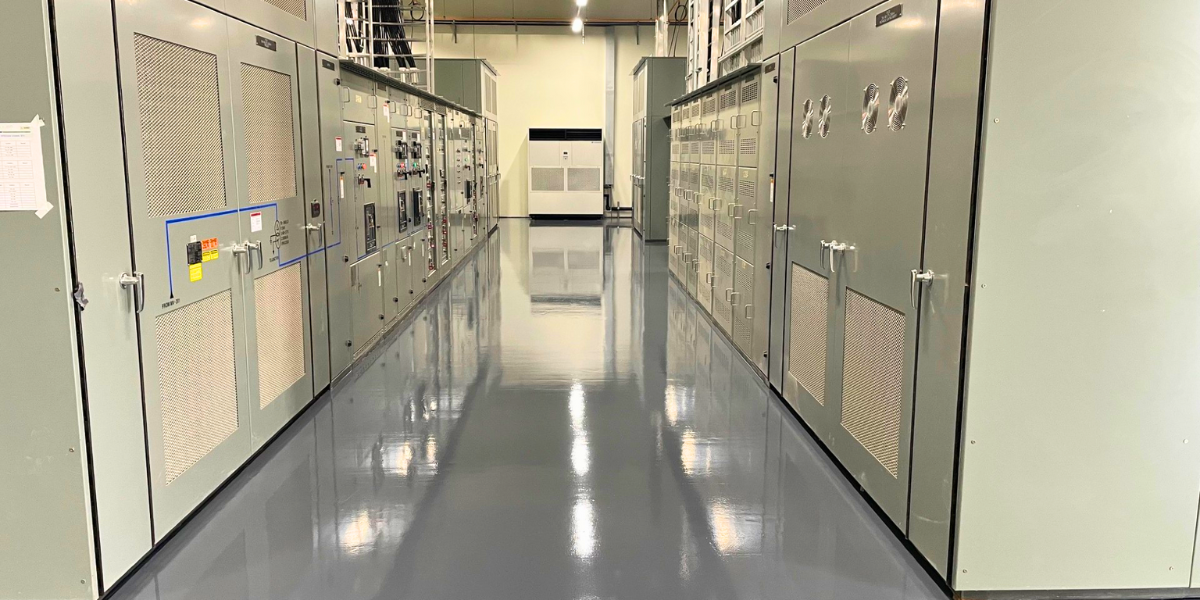
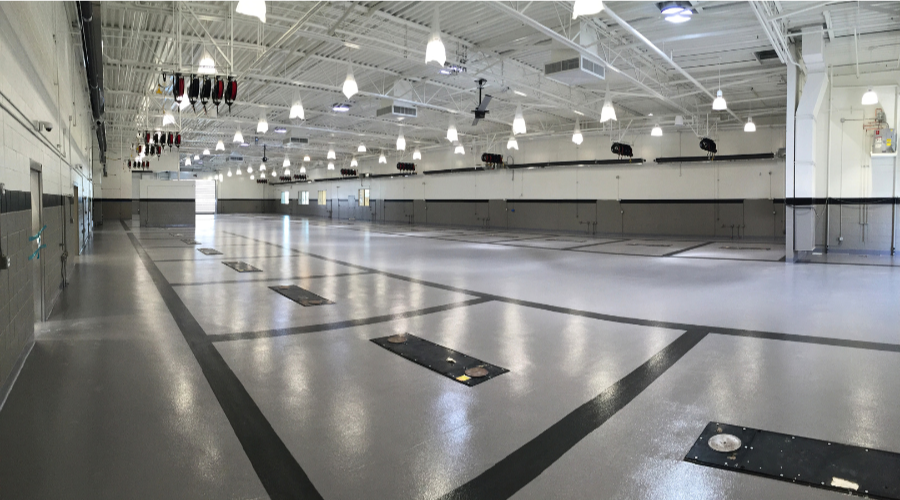
An epoxy coating like Stonkote HB4 inside this manufacturing facility tech room offer an aesthetically-pleasing smooth, high-gloss finish.
Epoxy Coating vs. Epoxy Paint: Understanding the Difference
Epoxy coatings and epoxy paints both contain epoxy resins as their key components, yet their formulations and purposes are different.
| Feature | Epoxy Coating | Epoxy Paint |
| Epoxy content | Higher epoxy resin ratio | Lower epoxy resin content |
| Thickness | Thicker, more protective layer | Thinner, less robust film |
| Durability | Industrial-grade, long-lasting | Light-duty, shorter lifespan |
| Purpose | Protection and performance | Cosmetic improvement |
This difference explains the disparities in each composition’s respective performance and durability.

This skate park benefits from the increased abrasion resistance and easy cleanability of an epoxy coating.
The Power of Durability: Why Epoxy Coating Is Stronger
One of the largest differences between epoxy coating and epoxy paint is the level of durability each offers. Epoxy coatings, owing to their higher epoxy resin concentration, provide exceptional durability against abrasion, chemicals, moisture, and other environmental stressors. The thick layer formed by these coatings acts as a formidable barrier, shielding the underlying surface from wear and tear, while epoxy paints are comparatively more susceptible to damage over time.[1]
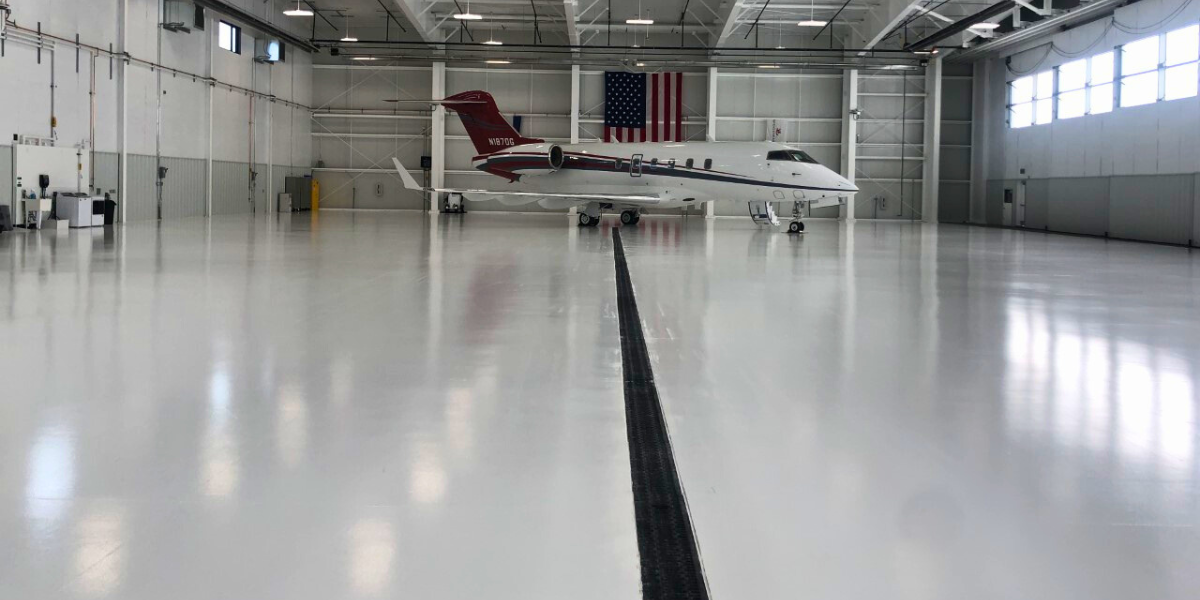
Curing vs. Drying
A crucial factor contributing to the enhanced durability of epoxy coatings is their curing mechanism. Epoxy coatings undergo a chemical reaction known as curing, where the epoxy resins chemically bond together to form a tough layer. This process transforms the liquid epoxy into a solid, inflexible coating that adheres tightly to a substrate surface.
By contrast, epoxy paints rely on a drying process that involves the evaporation of solvents, which leaves behind a film of epoxy. While drying can create a protective film, it lacks the structural integrity and resilience achieved through curing.
The Resistance Benefits of Epoxy Coating
Epoxy coatings offer excellent resistance to chemicals, making them ideal for environments where exposure to corrosive substances is a concern like chemical plants, laboratories, and industrial facilities.
Epoxy coatings also exhibit remarkable resistance to abrasion and impact. These qualities make them invaluable for protecting high-traffic floors.
Application Usage
Epoxy coatings and epoxy paints find applications in various settings, each capitalizing on their distinct attributes.
Epoxy coatings excel in environments demanding uncompromising protection, such as:
- industrial facilities
- manufacturing plants
- food processing units
- healthcare facilities
- areas prone to heavy machinery usage
Epoxy paints are less robust and are commonly used simply for decorative purposes in applications like:
- walls
- ceilings
- furniture
Whether it's safeguarding industrial equipment, enhancing the longevity of floors, or adding a touch of style, epoxy coatings prove time and again that they are the superior choice when durability and resilience are paramount.
FAQs
Can epoxy paint be applied over an existing epoxy coating?
In most cases, no. Epoxy coatings require proper surface preparation and compatibility, and standard epoxy paint will not bond well to a cured coating.
How long does epoxy coating take to fully cure?
Most epoxy coatings require several days to reach full cure, depending on temperature, humidity, and the specific resin/hardener system.
Are epoxy coatings safe for areas exposed to chemicals?
Yes. Epoxy coatings are commonly chosen for chemical-exposed environments because they offer strong resistance to many solvents and cleaning agents.
About The Author

Daniel J. Kov
Digital Marketing Coordinator
Daniel Kov is the Digital Marketing Coordinator and has been with Stonhard since 2022. He has a background in writing and advertising and holds a B.A. in Journalism.
Related Articles
Loving this Content?
Subscribe to upcoming topics!
Yes, Epoxy coatings are commonly chosen for chemical-exposed environemtns because they offer strong resistance to many solvents and cleaning agents.